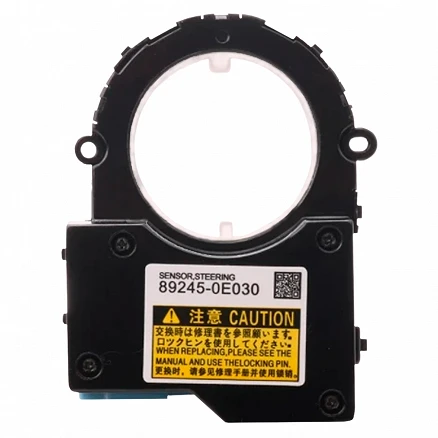
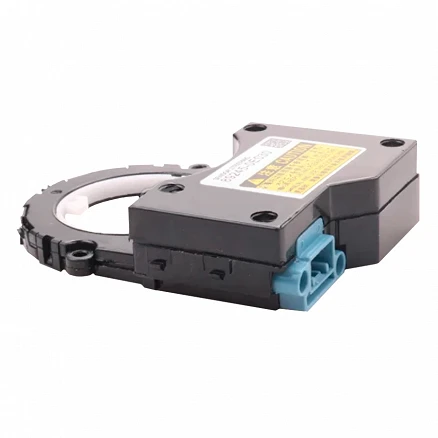
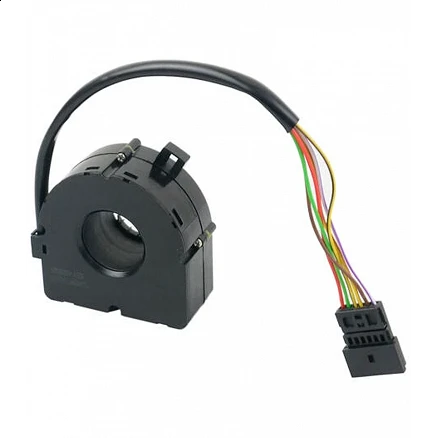
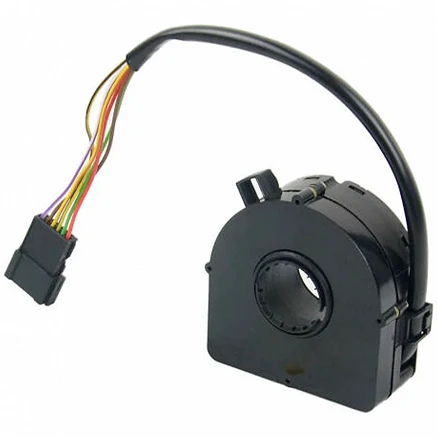
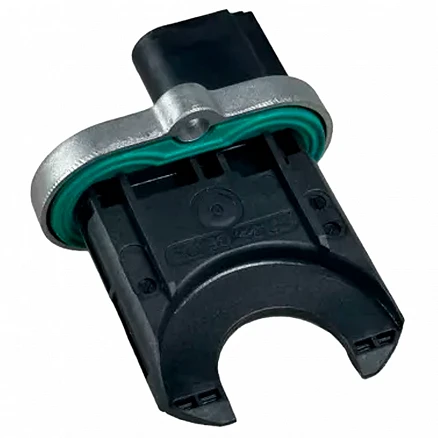
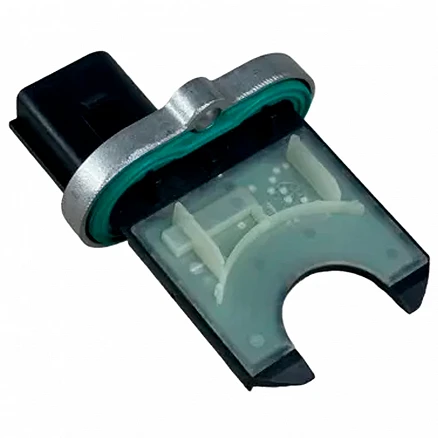
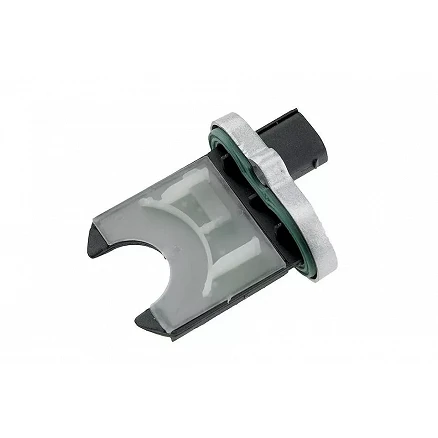
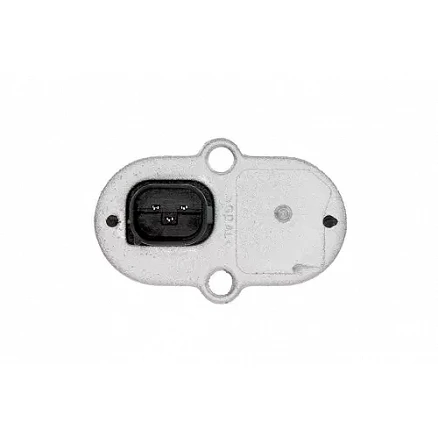
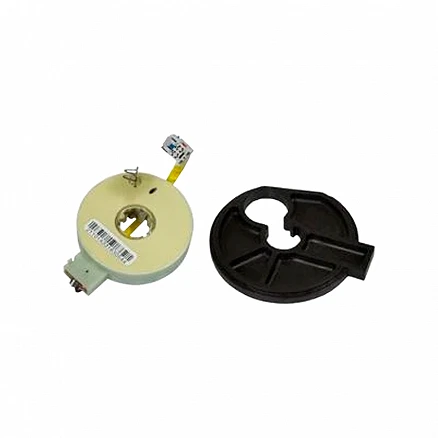
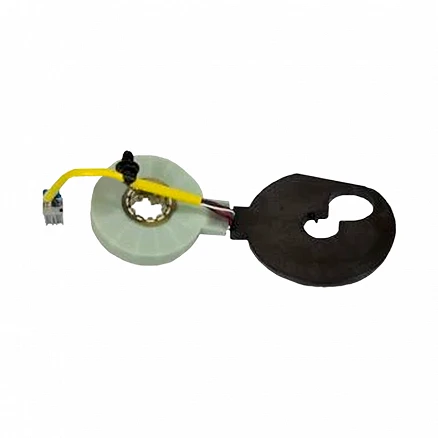
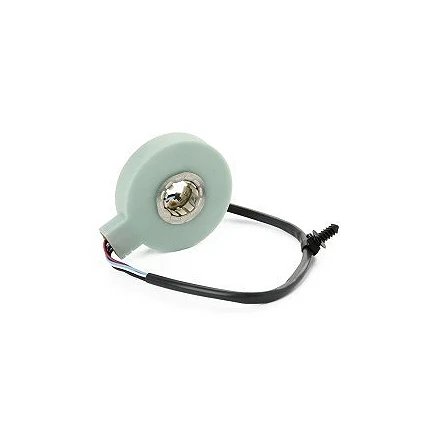
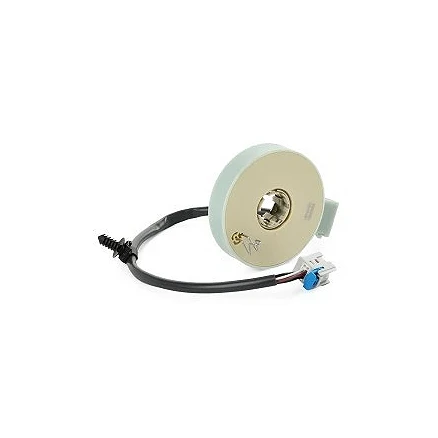
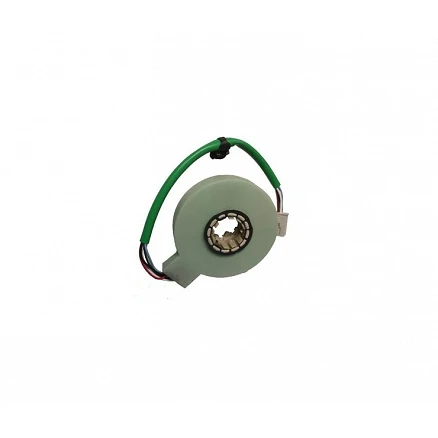
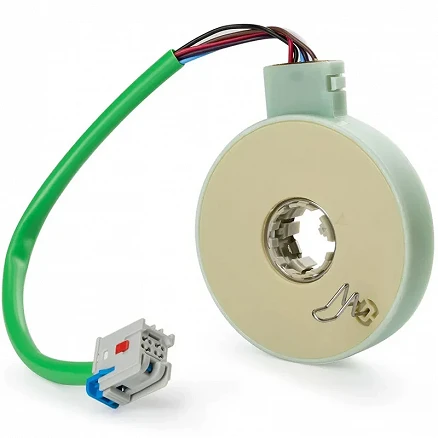
The steering angle sensor is a component that is part of the Electronic Stability Program (ESP). Each manufacturer has its own name for this advanced safety system, with some of the most popular ones being AdvanceTrac with Roll Stability Control (RSC), Dynamic Stability and Traction Control (DSTC), and Vehicle Stability Control (VSC). Although the names are unique, their primary function and the individual components that make up the system are virtually identical.
The steering angle sensor is one of the monitoring devices located near the front suspension or inside the steering column. In recent years, this device was analog, measuring the steering changes created by the wheel and transmitting that information to the vehicle's ECU. Today's steering angle sensors are digital and consist of an LED light that measures the angle of steering input.
This component is designed to last the lifetime of the vehicle. However, like any other sensor, the steering angle sensor can experience wear and tear or fail completely due to multiple factors that are beyond the control of most vehicle owners. When it breaks or begins to fail, it will display some common warning signs or symptoms. Below are some of the common symptoms of a damaged, defective, or faulty steering angle sensor.
1. Traction control light illuminates
In most cases where there is a problem with the electronic stability program, an error code is triggered and stored within the vehicle's ECM. This will activate the traction control light. When the steering angle sensor fails, there is a malfunction indicator on the instrument panel that alerts that the electronic stability system has been deactivated and requires mechanical service.
2. Loose and "play" in the steering wheel
Since the steering angle sensor is designed to monitor the actions/movements provided by the steering wheel, it can sometimes transmit false information to the ECM and create a potentially dangerous situation. When the sensor is defective, misaligned, or damaged, the information it reads and sends to the vehicle's onboard computer is inaccurate. This can result in the ESP providing steering input or adjustments at the wrong time.
In most cases, this will lead to a "loose" condition in the steering wheel, where the amount of steering input you provide is not matched by the vehicle's response. If you notice that the steering wheel is loose or that the steering is not responding as it should, contact a trusted specialist to inspect the ESP system and rectify the issue promptly.
3. Vehicle drives differently after a front-end alignment
Today, steering angle sensors are connected to various points within the steering system. Since front-end alignment is designed to align the front wheels with the steering wheel, it can cause problems with the steering angle sensor. It is very common for many automotive shops to forget to reset or realign the steering angle sensor after completing a service. This can lead to the aforementioned symptoms, such as the traction control light coming on, the check engine light illuminating, or affecting the vehicle's driving behavior.
Controlling your steering is essential for the safe operation of any vehicle. Therefore, if you notice any issues as described in the information above, please contact Nova Luz. Our team has the experience and the right tools to diagnose the problem and replace the steering angle sensor if it is causing issues.
5 tips on how to use and replace the Steering Angle Sensor:
1. Replace it in case of failure and irreparability. Manufacturers do not limit its lifespan.
2. Consider that incorrect wheel positioning or sudden battery disconnection may lead to device failures. In such cases, it can be calibrated by a specialized technician.
3. To install a new part, contact a specialized technician. The procedure involves the disassembly of some other parts, particularly the steering column.
4. Pay attention to the fact that after removing and reassembling the part, it may need adjustment. Otherwise, it will not function correctly.
5. Do not delay computer diagnosis and replacement of the faulty part. Its failures can lead to dangerous situations on the road. As mentioned earlier, for example, sometimes the car starts turning spontaneously.